

Category
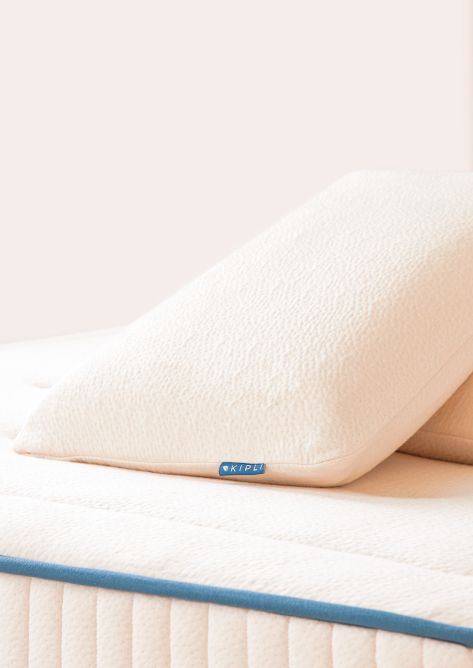

When and how should you wash your comforter?
Every night, our duvet keeps us warm and retains some of our body heat. But over time, it accumulates sweat, dead skin cells, and sometimes dust mites if it isn’t properly cared for. Washing your duvet isn’t just a matter of hygiene—it’s a way to extend its lifespan, maintain its comfort, and ensure a healthy sleep environment. Summary How often should you wash your comforter? Are all comforters machine washable? How to properly machine wash your comforter? A tip to avoid washing it too often When should you replace your comforter? Check out these guides too How often should you wash your comforter? Most duvets can be washed once or twice a year. The ideal time is often the change of seasons, when you adjust your bedding to a different temperature. Washing is also recommended after an illness or excessive sweating. If you use a duvet cover that is changed weekly, the duvet itself remains protected and requires less maintenance. Can all duvets be machine-washed? Not all duvets are suitable for home washing. Synthetic models and duvets made of feathers or down can generally be machine-washed at 40 or 60°C. However, they require thorough drying to prevent musty odors.Natural duvets, such as those made of wool or wood fiber (Tencel), require more care. Their bulk and material sometimes necessitate using a large-capacity machine or an eco-friendly dry cleaner. This is an important point to consider before purchasing your Kipli duvet, which is made from natural materials and designed to last. How to properly machine-wash your duvet? First and foremost, check your duvet’s care label. It specifies the maximum temperature, machine-washability, and any special precautions. As a general rule, it’s best to use a delicate cycle at 40°C and avoid excessive spin cycles. A mild detergent, without fabric softener, will help preserve the quality of the fibers. Drying should be slow, even, and preferably air-dried, for at least twenty-four hours. For those with a dryer, adding a tennis ball helps maintain loft by distributing the filling. The trick to avoid washing it too often Washing a comforter isn’t a weekly chore—and thankfully so. To limit how often you wash it, the key is to use a breathable cover, which should be washed every one to two weeks. For those who are particularly particular, a thin comforter protector, placed between the comforter and its cover, acts as an invisible barrier against dirt. Paired with an organic cotton duvet cover, this protector ensures lasting comfort while reducing wear and tear from repeated washing. When should you replace your duvet? Even with careful maintenance, a duvet eventually loses its effectiveness. When it no longer retains its loft, regulates heat less effectively, or your sleep becomes more restless, it’s often a sign that it’s time to replace it. On average, a synthetic duvet lasts three to five years, while a natural duvet can last six to ten years depending on use and care. Choosing a high-quality duvet, such as a 4-season duvet, is an investment in longevity and healthier sleep. Check out these guides too Messy bedroom = disrupted sleep? We asked a psychologist Is sleep really restorative? A mattress over time: how it changes, and why that’s a good sign

Should you choose a waterproof mattress protector?
Le protège-matelas est presque indispensable pour garantir la longévité de votre literie et pour améliorer le confort durant votre sommeil. Se pose alors la question suivante : faut-il privilégier un modèle imperméable ou un protège-matelas plus classique ? La réponse est en demi-teinte, car une protection imperméable peut être avantageuse pour certains types de dormeurs. Néanmoins, passer ses nuits sur ce type de protège-matelas (aussi appelé " alèse ") n'est pas toujours confortable ni bon pour la santé. Alors, comment faire le bon choix ? Voici ce qu'il faut savoir au sujet des protège-matelas imperméables, pour que vous puissiez vous faire votre propre avis et acheter le modèle qui vous convient ! Pourquoi protéger votre matelas ? Si vous dormez à même le matelas, avec un simple drap-housse, vous risquez tout simplement de réduire la durée de vie du matelas. Même si vous disposez d'un matelas de qualité qui offre une bonne respirabilité, il n'est pas à l'abri des dégâts de l'humidité sur le long terme. En effet, la transpiration et l'humidité ambiante sont les principaux facteurs qui peuvent endommager votre matelas. De plus, l'utilisation d'un protège-matelas garantit l'hygiène de votre literie, et par conséquent, votre propre hygiène. Le drap-housse n'absorbant pas toute l'humidité et les éventuelles taches, en l'absence de protection supplémentaire, c'est le matelas qui sera taché. Et il sera alors très difficile de le laver et de l'assainir ! Au contraire, le protège-matelas se retire en quelques secondes et peut passer à la machine à laver à une température de 60°, et parfois jusqu'à 90°. Vous éliminez ainsi les taches et les bactéries, pour dormir à nouveau dans un lit frais et sain. Par ailleurs, si votre matelas est constitué de mousse, matériau qui n'est pas naturellement anti-acarien, le protège-matelas peut jouer la fonction de barrière contre ces petites bêtes. En cas d'allergie, cette housse de matelas pourrait sauver vos nuits ! Toutefois, il reste conseillé d'opter pour un matelas en matière naturelle comme le latex, qui empêche le développement des acariens, sans traitement spécifique. Cela ne signifie pas pour autant qu'il faut vous passer de protège-matelas : il s'agira d'une protection supplémentaire qui vous assurera un sommeil tranquille. Un autre point auquel vous n'auriez peut-être pas pensé, mais qu'il est bon de connaître, concerne la garantie du matelas. Effectivement, si vous voulez faire jouer la garantie du matelas dans les années qui suivent l'achat en magasin ou la livraison du produit, le fabricant impose souvent que celui-ci ait été correctement utilisé et qu'il soit propre, sans tache. Le protège-matelas est donc une solution pour éviter le refus de prise en garantie en cas d'affaissement du matelas ou par exemple si vous constatez que le matelas ne vous convient pas après plusieurs nuits d'essai. Dans quels cas choisir un protège-matelas imperméable ? Comme son nom l'indique, le protège-matelas imperméable permet d'éviter que des liquides entrent en contact avec le matelas. Attention, une housse imperméable pour matelas n'est pas pour autant indiquée pour les personnes incontinentes ou pour les énurésies fréquentes. Dans ce cas, il faudra opter pour une protection spécifique, disposant d'une plus grande capacité d'absorption. En revanche, le protège-matelas imperméable s'avère bien utile pour les personnes qui transpirent beaucoup la nuit, qui ont l'habitude de laisser leurs animaux dormir avec eux ou encore pour les femmes qui ont des règles abondantes. Grâce à son imperméabilité, l'alèse empêche ainsi le liquide de traverser et d'atteindre le matelas. Il vous suffit alors d'enlever le protège-matelas le lendemain matin pour le passer à la machine. Notre petit conseil : prévoyez l'achat de deux alèses pour votre matelas, de sorte à toujours disposer d'une alèse propre et sèche pour remplacer celle qui a été salie. En effet, certains modèles mettent plusieurs heures à sécher intégralement après le passage en machine. Protège-matelas imperméable Coton biologique, molleton gratté tissé en 240 g/m2 Certifié OEKO-TEX® STANDARD 100 Face imperméable en PU contrecollé, sans effet "plastique", sans bruits Fabriqué en France dans les Vosges Je découvre le protège-matelas imperméable Si en plus de son imperméabilité, le protège-matelas a un léger pouvoir absorbant, cela vous permettra aussi de passer une nuit plus confortable qu'avec une housse de matelas classique. Vous aurez moins de chance d'être réveillé·e par la sensation désagréable d'humidité sur le matelas. Quels sont les inconvénients de l'alèse ? Si la housse imperméable a bel et bien des avantages, il ne faut pourtant pas oublier qu'elle est loin d'être la solution parfaite pour protéger votre matelas. Les risques pour la santé Il faut tout d'abord savoir que pour fabriquer ces alèses, ce sont des matières synthétiques qui sont utilisées, dérivées du plastique et de la pétrochimie. Des substances nocives peuvent donc émaner d'un tel protège-matelas, ce qui est d'autant plus dangereux pour les bébés et les enfants. Les plastiques peuvent aussi être à l'origine d'allergies chez certaines personnes, ce qui peut perturber les nuits et engendrer des problèmes de santé plus sérieux sur le long terme. En ce qui concerne les protège-matelas et le linge de lit en général, il n'est donc pas toujours judicieux de choisir une matière synthétique. La santé n'a pas de prix et mieux vaut choisir un protège-matelas naturel et de qualité un peu plus cher, à la place d'un produit potentiellement nocif. Le manque de confort Autre point noir de l'alèse : son manque de respirabilité. Cela est surtout vrai avec les produits disposant d'une membrane en PVC ou en PEPP (Polyéthylène Polypropylène). Ils sont certes l'avantage d'offrir un haut niveau d'imperméabilité, mais cela se fait au détriment du confort. Pire encore, ces matières peu respirantes peuvent accroître la transpiration lors du sommeil : si vous suez en dormant et que vous pensiez avoir trouvé la solution miracle avec un protège-matelas imperméable, vous devriez donc relativiser. Sinon, préférez un produit composé d'un maximum de matières naturelles et d'une membrane en polyuréthane, qui est plus respirante. Si vous optez pour un protège-matelas en PVC, quel que soit son prix, vous risquez aussi d'être dérangé·e par le bruit au moindre mouvement. Bien que légers, ces bruits de froissement peuvent vite devenir un inconvénient de taille, vous empêchant de vous endormir ou vous réveillant la nuit. Quelle alternative au linge de lit imperméable ? Vous l'aurez compris, les alèses ne sont pas les meilleurs protège-matelas que l'on trouve sur le marché. Si vous ou vos enfants n'avez pas de problème particulier d'énurésie, de sudation nocturne importante ou de règles abondantes, il est donc préférable de choisir un produit plus sain et confortable. Pour des matelas bien protégés, vous pouvez alors faire votre choix parmi d'autres compositions : protège-matelas avec du tissu molleton, composé de coton, qui se veut doux et chaud pour l'hiver ; housse de matelas en jersey de coton, qui est un tissu plus léger convenant aux périodes les plus chaudes de l'année ; protection à base de Tencel, un dérivé du bois, qui offre élasticité et douceur. Protège-matelas en coton bio 100% coton, molleton épais tissé en 210 g/m2 Coton biologique et certifié Eco-Cert Aucun traitement chimique Hypoallergénique, anti-acariens et antibactérien Je découvre le protège-matelas en coton bio Avec ces produits naturels, vous protégez votre santé et vous bénéficiez d'une housse de matelas de qualité, qui luttera naturellement contre les bactéries, les acariens et l'humidité. Voilà pourquoi Kipli ne propose pas de protège-matelas imperméables : l'accent est mis sur les bénéfices naturels du coton pour vous offrir le meilleur pour votre linge de lit. Il ne vous reste plus qu'à trouver la housse aux dimensions de votre literie ou du matelas de votre bébé, et à vous les nuits agréables ! Nous vous recommandons ces autres pages : Comment choisir son protège-matelas pour bébé ? Choisir son protège-matelas anti-acariens Comment choisir son alèse de matelas ?

Wall-mounted or freestanding nightstand: which one is right for your bedroom?
The choice between a wall-mounted nightstand and a freestanding one involves style, but above all, the flow of daily life. A freestanding version provides a solid, immediately recognizable base; a wall-mounted version creates a lighter look, frees up floor space, and emphasizes verticality. Neither is inherently better: it all depends on your needs, the layout of the room, and the feel you’re aiming for. The Bedside Tables collection offers both, with the same commitment to solid wood craftsmanship. The freestanding bedside table is ideal if you want a warm presence and discreet storage. The AVA embodies this immediate comfort: a practical drawer, a stable surface, and a timeless design that pairs just as well with a wooden headboard as with a fabric-upholstered frame. It provides a sense of security, frames the sleeping area, and easily forms a symmetrical pair. The NOVA is designed for those who appreciate simplicity: a nightstand conceived as a solid block of wood, a calm base that holds a lamp and a book, without any clutter. Freestanding models can be moved with a single gesture when rearranging and adapt well to changes in bedding or layout. The wall-mounted bedside table, on the other hand, frees up space and creates clean lines. The LIVIA wall-mounted version eliminates legs, allows the lower part of the wall to “breathe,” and creates a brighter feel, especially in compact bedrooms. It is mounted at the exact height of the mattress, making it easy to reach both when going to sleep and waking up. It also makes cleaning easier: nothing gets in the way of the broom or vacuum cleaner. For a cohesive collection, the freestanding LIVIA extends the same design language for those who prefer a standalone version. In between the two, some will appreciate the freedom of a handcrafted model with a bold character: LUCA in solid wood, or LUCA with a shelf if you wish to separate uses across two levels. To make a confident decision, consider three criteria. First, the available space: if the bed occupies the main wall or if a door opens near the bedside, the wall-mounted solution will save you visually significant centimeters. Next, the use: if you like to keep your essentials within reach but out of sight, a drawer like AVA’s is a real plus. Finally, the ambiance: a freestanding nightstand anchors the room, while a wall-mounted one lightens and modernizes it. In any case, solid wood remains the common thread: a healthy, durable material that’s soft to the touch and develops a patina over time. This is the spirit of the Kipli collection: keeping things simple, authentic, and sustainable, so that the bedroom remains the most soothing place in the home.

What shape should you choose for a nightstand?
The shape of a nightstand is no mere detail: it influences the flow of the room, the comfort of use, and the visual balance of the bedroom. The right silhouette is one that perfectly suits your nighttime routine. Whether you read in bed, meditate before sleep, prefer a clear surface, or—on the contrary—enjoy multiple levels to organize your essentials, the shape becomes your ally. Within the Bedside Tables category, three distinct families emerge. The reassuring “monolith” shape: a compact, stable volume that’s easy to place on either side of the bed. The AVA bedside table is the archetype of this style. Its drawer keeps items out of sight, while its smooth front and rounded edges create a sense of order. This shape is perfect if you want to place a lamp, a carafe, or an open book on it and keep a drawer for the rest. In the same vein, the NOVA embraces minimalism: a design that blends into the room’s architecture and highlights the wood. You perceive the material before the object; it’s the ideal solution if you’re aiming for a very serene decor. The “suspended” design to lighten the space: mounted on the wall, the LIVIA wall unit creates a visually open surface. Without legs, it allows light to flow freely and simplifies cleaning. You can adjust its alignment with the mattress, free up floor space, and add volume to a small area. This design is perfect for compact bedrooms and beds with storage. To maintain the same aesthetic on legs, the freestanding LIVIA features a line of great simplicity. The “overhanging” design to maximize functionality: LUCA with a shelf adds a secondary level that becomes part of daily life. You can set down your evening reading without moving the lamp, keep small cosmetics within reach, and organize items to keep the surface tidy. If you prefer a more understated presence, the LUCA on its own embodies the authenticity of a handcrafted piece, with a very warm brown hue. Finally, consider the “companion” to the nightstand: an ARCO side table can complete the composition, especially if you love bouquets or large reading lamps. The key is harmony: opt for proportions that allow the headboard to breathe, ensure comfortable access to the charging outlet, and choose a wood that complements your existing furniture. With these guidelines, the right choice becomes clear: one that soothes the eye and supports your movements, night after night, from the Kipli collection.

How do I choose a nightstand?
Choosing a nightstand sets a calm tone for the bedroom. This small piece of furniture defines the sleeping area: it holds the essentials, clears your mind before bed, and sets the mood of the room. The right choice starts with how you’ll use it. Do you want discreet storage for your books, glasses, or a notebook? Or a very sleek, almost graphic piece that lightens up the room? In the Bedside Tables category, several styles coexist, all made of solid wood and built to last. For functional storage and a warm presence, the AVA nightstand offers the essentials: a smooth-gliding drawer, a solid beech frame, and understated lines that pair easily with a wooden or fabric headboard. Its reassuring silhouette works just as well in a master bedroom as in a guest room. If you prefer the same concept in an even more minimalist version, the NOVA nightstand emphasizes the texture of the materials and the purity of its lines; it fits naturally into a contemporary, Scandinavian, or Japandi decor. When floor space is limited, a wall-mounted solution frees up floor space and creates a sense of lightness. The LIVIA wall-mounted bedside table appears to float, while remaining practical. Mounted on the wall, it allows you to perfectly align the height with the mattress and slide a basket or rug under the shelf. For those who prefer a freestanding presence, the LIVIA floor-standing version offers the same elegance in a standalone design. If you’re looking for a more artisanal feel, the cabinetmaker’s craftsmanship is evident in the LUCA nightstand: solid wood, natural finish, and meticulous joinery. Its version with a shelf adds an extra level to place a book or a glass of water without cluttering the main surface. Finally, consider the accessories: an ARCO side table near the bed can hold a sculptural lamp or a vase and, when needed, serve as a nearby surface that extends the nightstand. Whatever shape you choose, a few principles will guide a confident decision. Material-color consistency: pairing solid wood with your bed frame, hardwood floor, or wardrobe creates a soothing visual continuity. Height in relation to the bed: a surface accessible without contorting your body encourages simple movements, and thus a more peaceful bedtime routine. Quality craftsmanship: reliable drawer slides, a soft-to-the-touch finish, and wood treated with oil or a natural varnish ensure long-lasting durability and easy maintenance (a soft cloth is all you need for daily care). Finally, choose a model that lets the room breathe: in a bedroom, what matters most is the comfort you can’t see. The nightstands in the Kipli collection were designed with this in mind: useful, durable, and unobtrusive, they accompany your night with simplicity.

Which shelf should you choose for a serene interior?
The right shelf is one that complements the room without dominating it. In a living room, a subtle vertical element guides the eye: the tall TORII provides this understated rhythm that frames the bookshelf, displays objects, and allows light to flow freely. Paired with the low TORII, it creates a harmonious duo: the horizontal element structures the lower part of the space, the vertical element guides the eye, and the whole remains fluid. For interiors that prioritize transparency and a graphic aesthetic, ORI showcases books as a gentle installation; it can sit against a wall or define a space without creating a partition. On walls, the choice comes down to the millimeter: the AVA shelf creates a clean line in an entryway or above a sideboard; the AVA wall shelf adds a touch of warmth to a bedroom. Above a desk, ÉOS – Kipli x TIPTOE features an ash wood top and very stable steel brackets: it’s clean, contemporary, and easy to arrange. When you want to create a focal point, the Baobab family transforms the wall into a natural column. With 2, 3, or 4 shelves, it holds your essentials without weighing down the space; in modular versions, it adapts to your needs and preferences over time, up to more generous configurations like the 60×120. The choice of wood contributes to the overall ambiance. The light ash of the TORII brightens a minimalist decor, the beech of the AVA offers a warm neutrality that transcends styles, and the oak of the Baobab visually anchors the room and provides a sense of security. The determining factor remains the intended use: main bookshelf, simple additional storage, display of objects, hallway decor… The Shelving category brings together freestanding and wall-mounted solutions that precisely address these scenarios. All share the same vision: natural materials, timeless lines, and meticulous craftsmanship. The result is evident in everyday life: a serene, uncluttered, and vibrant interior where every object naturally finds its place.