

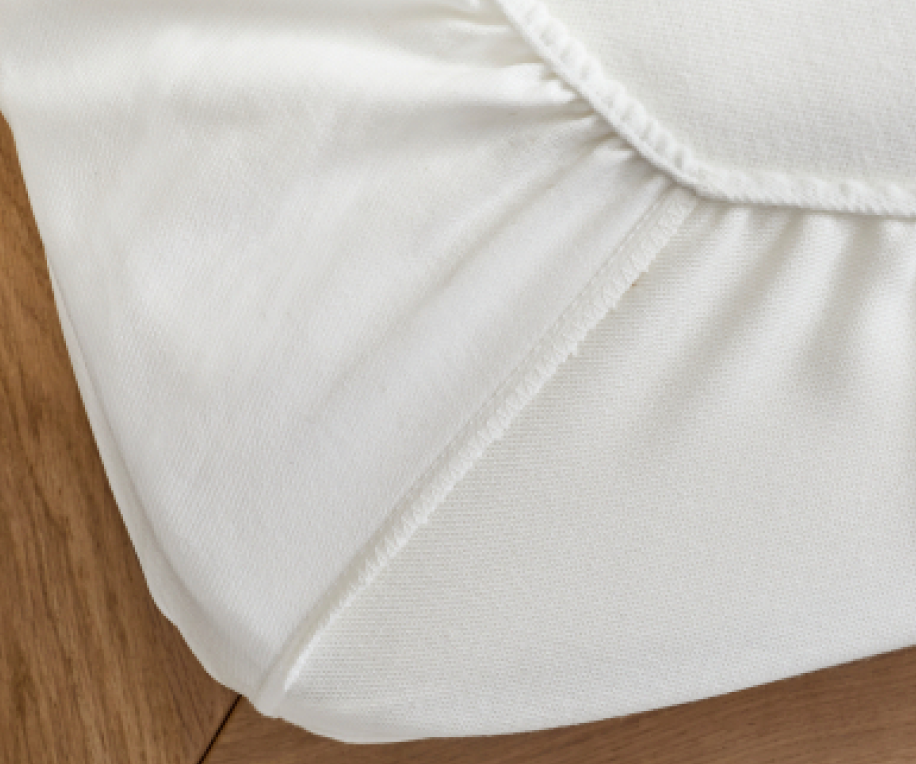
A mattress protectorisalmost essential for ensuring the longevity of your bedding and improving your sleep comfort. This raises the following question: should you opt fora waterproof modelora more traditional mattress protector?
The answer is mixed, as awaterproof mattress protectorcanbe beneficial for certain types of sleepers. However, sleeping on this type of mattress protector (also known as a "mattress pad")isn't always comfortable or good for your health. So, how do you make the right choice? Here’s what you need to know about waterproof mattress protectors, so you can make up your own mind and buy the model that’s right for you!
Why protect your mattress?
If you sleep directly on the mattress with just a fitted sheet, you may simply be shortening themattress’s lifespan. Even if you have a high-quality mattress that breathes well, it’s not immune to moisture damage over time. In fact, sweat and ambient humidity are the main factors that can damage your mattress.
In addition, using a mattress protector ensuresthe hygiene of your bedding—and, by extension, your own hygiene. Since a fitted sheet doesn’t absorb all moisture and potential stains, without additional protection, the mattress itself will get stained. And it will then be very difficult to wash and sanitize it! On the other hand, the mattress protector can be removed in seconds and is machine washable at 60°C, and sometimes even up to 90°C. This way, you eliminate stains and bacteria, so you can sleep in a fresh, healthy bed again.
In addition, if your mattress is made of foam—a material that isn’t naturallydust-mite resistant—a mattress protector can act as a barrier against these tiny creatures. If you have allergies, this mattress cover could save your sleep!
However, it is still advisable to choose a mattress made from a natural material such as latex, which prevents dust mites from developing without the need for any special treatment. That doesn’t mean you should skip using a mattress protector, though: it provides an extra layer of protection to ensure a peaceful night’s sleep.
Another point you may not have considered, but which is good to know, concerns themattress warranty. In fact, if you want to make a warranty claim in the years following your in-store purchase or the delivery of the product, the manufacturer often requires that the mattress have been used properly and that it be clean and free of stains. A mattress protector is therefore a solution to avoid having your warranty claim denied in the event that the mattress sags or, for example, if you find that the mattress isn’t right for you after several nights of testing it.
When should you choose a waterproof mattress protector?
As the name suggests,a waterproof mattress protectorprevents liquids from coming into contact with the mattress. Please note, however, that a waterproof mattress cover is not suitable for people with incontinence or frequent bedwetting. In such cases, you should opt for a specialized protector with greater absorbency.
On the other hand, a waterproof mattress protector is very useful for people whosweat a lot at night, those who let their pets sleep with them, or women who experienceheavy menstrual flow. Thanks to its waterproof design, the protector prevents liquids from seeping through and reaching the mattress. All you need to do is remove the mattress protector the next morning and put it in the washing machine. Our tip: plan to buy twomattress protectors for your mattress,soyou always have a clean, dry one to replace the one that’s gotten dirty. In fact, some models take several hours to dry completely after a wash cycle.
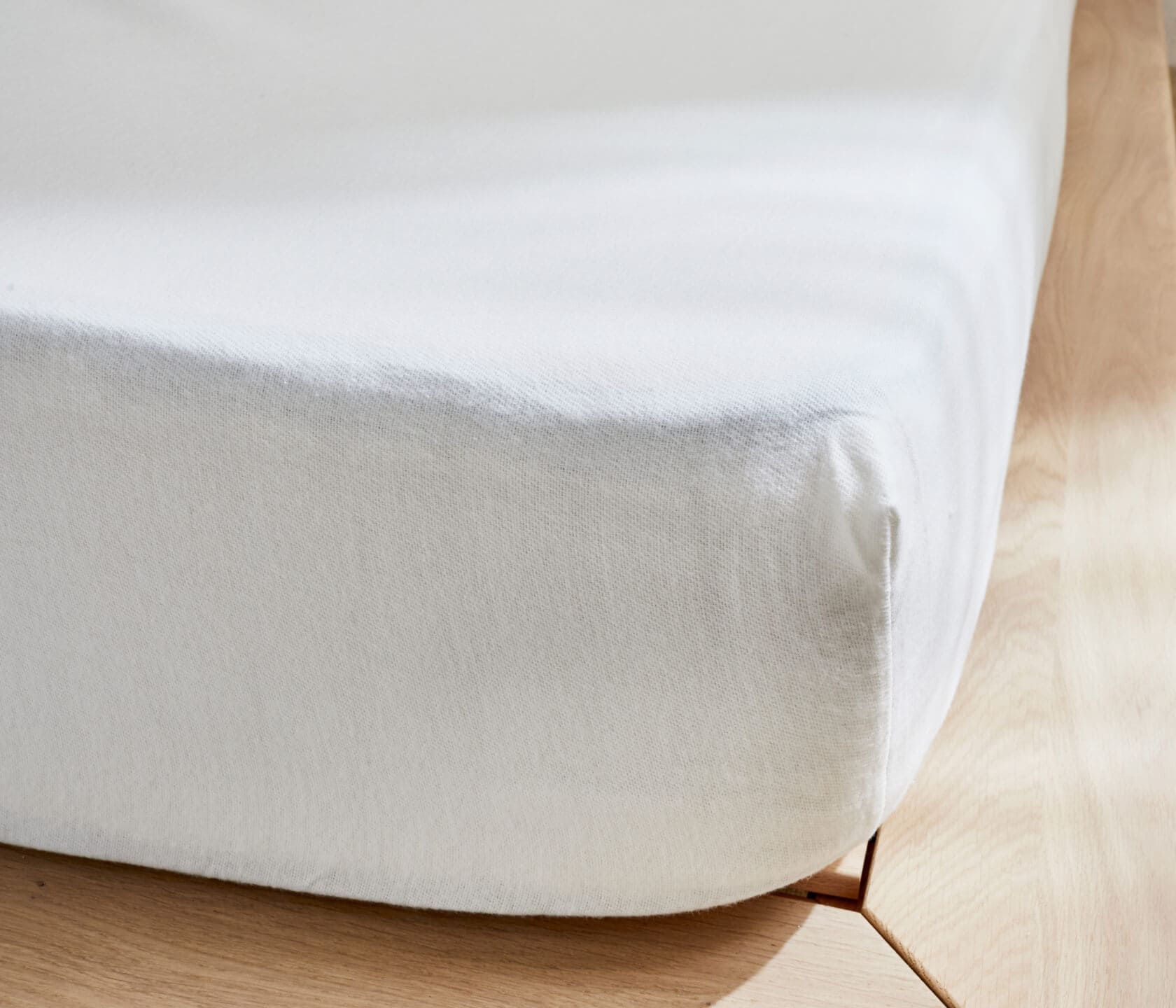
Waterproof mattress protector
- Organic cotton, brushed fleece, 240 g/m²
- OEKO-TEX® STANDARD 100 certified
- Waterproof PU laminated surface, with no "plastic" feel and no noise
- Made in France in the Vosges
If, in addition to being waterproof, the mattress protector hassome absorbency, it will also help you sleep more comfortably than with a standard mattress cover. You’ll be less likely to be woken up by the unpleasant feeling of dampness on the mattress.
What are the drawbacks of a mattress protector?
While a waterproof mattress cover certainly has its advantages, it’s important to remember that it’s far from the perfect solution for protecting your mattress.
Health risks
First and foremost, it’s important to know that these mattress protectors are madefromsynthetic materials derived from plastics and petrochemicals. Harmful substances can therefore be released from such mattress protectors, which is especiallydangerous for babiesandchildren. Plastics can also cause allergies in some people, which can disrupt sleep and lead to more serious health problems in the long term.
When it comes to mattress protectors and bedding in general, it’s not always a good idea to choose synthetic materials. Health is priceless, and it’s better to choose a natural, high-quality mattress protector that costs a little more than a potentially harmful product.

The lack of comfort
Another drawback of the mattress protector is itslack of breathability. This is especially true for products made with a PVC or PEPP (polyethylene-polypropylene) membrane. While they do offer a high level of waterproofing, this comes at the expense of comfort.
Worse still, these non-breathable materials can increase sweating while you sleep: if you sweat while sleeping and thought you’d found the perfect solution with awaterproof mattress protector, you might want to reconsider. Otherwise, opt for a product made primarily of natural materials and featuring a polyurethane membrane, which is more breathable.
If you choose a PVC mattress protector, regardless of the price, you may also find yourself bothered by the noise it makes with every slight movement. Although faint, theserustling soundscanquickly become a major nuisance, keeping you from falling asleep or waking you up at night.
What are some alternatives to waterproof bedding?
As you can see,mattress padsaren’tthe best mattress protectors available on the market. If you or your children don’t have specific issues such as bedwetting, heavy night sweats, or heavy menstrual flow, it’s best to choose a healthier and more comfortable option.
To ensure your mattresses are well protected, you can choose from a variety of other materials:
- a mattress protector made offleece fabric,composed of cotton, designed to be soft and warm for winter;
- acotton jersey mattress cover, which is a lighter fabric suitable for the hottest times of the year;
- a cover made fromTencel, a wood-based fiber, which offers elasticity and softness.
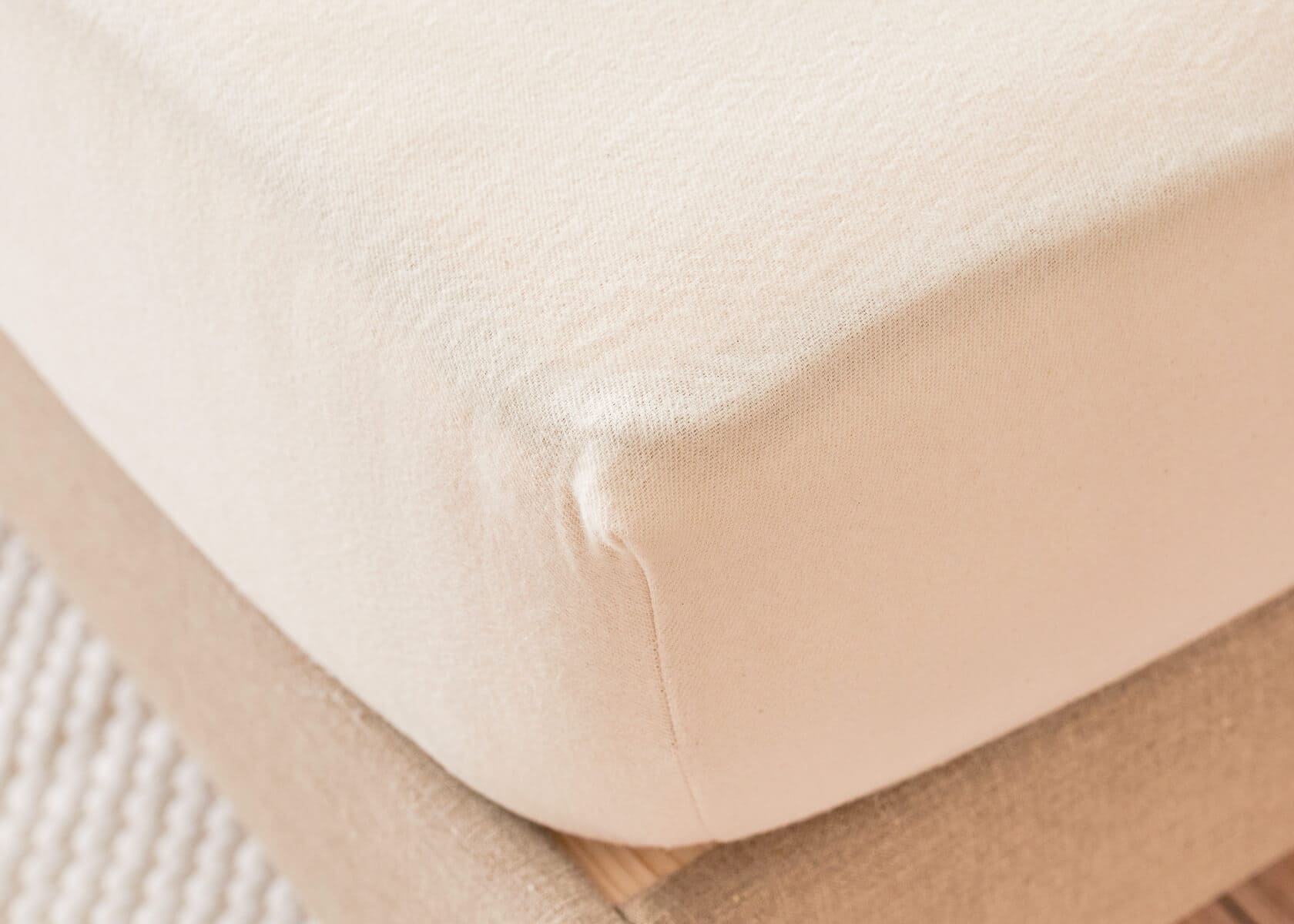
Organic cotton mattress protector
- 100% cotton, thick fleece, 210 g/m²
- Organic cotton certified by Eco-Cert
- No chemical treatment
- Hypoallergenic, dust-mite resistant, and antibacterial
With these natural products, you’re protecting your health and enjoying a high-quality mattress cover that naturally fights bacteria, dust mites, and moisture. That’s why Kipli doesn’t offer waterproof mattress protectors: we focus onthe natural benefits of cottontobring you the best in bedding.
All you have to do is find a cover that fits your bedding or your baby’s mattress, and you’re all set for a good night’s sleep!
We recommend these other pages: