

Some easy tips for living better
New year, new beginning, change this, change that… The start of a new year is often a good opportunity to set new goals, work harder, or take on new challenges. But wouldn’t it be better to try to change the little habits that, in the long run, prevent us from living our daily lives to the fullest?
At Kipli, we’d like to address this topic with the well-being of each of us and our planet in mind. Here are a few tips that we hope will help you on this journey.
How can you change your habits over the long term?
Have you ever tried waking up early in the morning to get to the office without rushing? You manage it once, twice, and then eventually give up.
Human beings are creatures of habit. To survive, our brains need a certain routine, especially for those well-known automatic behaviors (we automatically close the door without even realizing it).
From a neurological standpoint, the brain uses less energy when following habits.
To change a long-standing habit, our brain needs to adapt to the change and relearn. "For the brain, change is a real hurdle," explains Dr. Gerhard Roth, professor of behavioral physiology in developmental neurobiology at the University of Bremen. "When we follow our habits, our brain rewards us with its own opioids, and we become truly addicted to them. As the years go by, we find it increasingly difficult to change our routine.
So how can we successfully change a habit? According to Roth, the brain needs regular training and a great deal of determination. If you want to change in any of these areas, don’t overlook this question: Where is my reward, and what are the benefits that come with it?
Our New Year's Resolutions for 2022
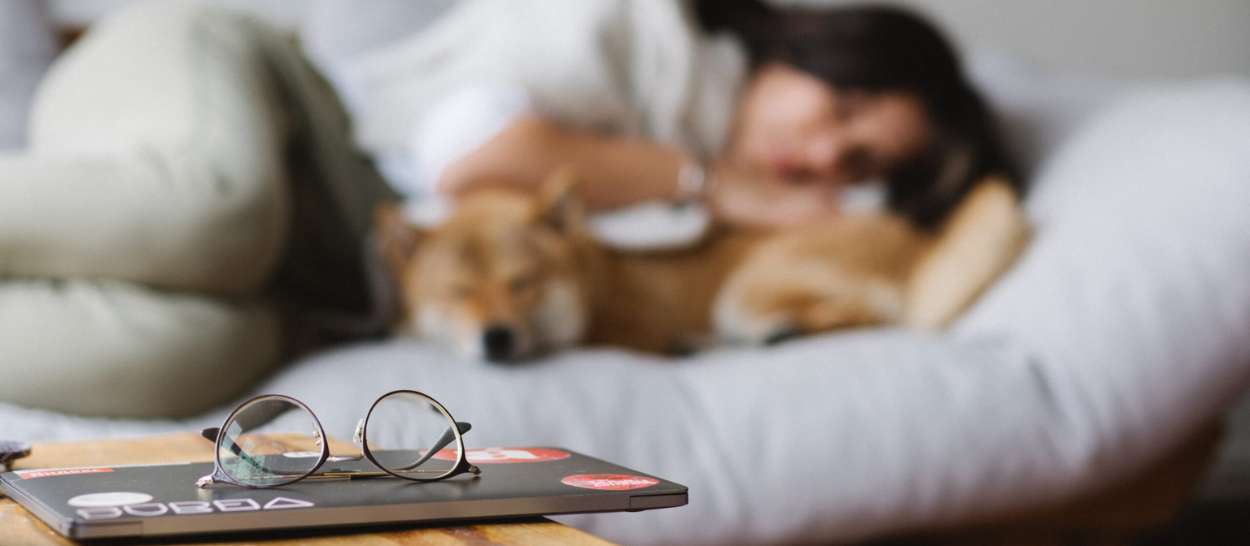
Sleeping Better: The Basics
There’s no need to explain that lack of sleep affects our daily well-being. Did you know that over the past fifty years, we’ve lost 1.30 hours of sleep? Italians sleep an average of 6.42 hours per night (a minimum of 7 hours is recommended!). Improving your habits can have a positive impact on your sleep and, consequently, on your daily life and social life.
One of the main factors that interfere with falling asleep is exposure to blue light. Yes, it may seem hard to put down your smartphone, but its light can cause a delay in your biological clock. As a result, your bedtime shifts and your sleep time decreases.
41% of Italians say they check their smartphones even in the middle of the night! It’s now 100% proven: to sleep better, you need to turn off your smartphone and computer at least 1.5 to 2 hours before going to bed.
When it comes to nutrition, it’s easy to get lost in all the advice out there. Is eating cheese at night too fatty? It certainly isn’t the easiest food to digest, but cheese contains tryptophan, an amino acid involved in the production of melatonin, the well-known sleep hormone. You can get tryptophan by eating eggs, legumes, nuts, certain grains and starches (oats, soy, corn, rye, sesame, rice, quinoa), or dairy products. (Save the raw vegetables, which you might think are light, for the next day!)
Before going to bed, green tea will be your best ally! In fact, tea and natural herbal infusions without added flavors have many properties that soothe discomfort during sleepless nights: green tea is rich in antioxidants, chamomile relieves stomach issues, and valerian root has a relaxing effect, ideal for unwinding before bed.
Organize your home (and your life)
Have you ever thought about how much time you waste tidying up your home? You’ve probably heard of “The Life-Changing Magic of Tidying Up” by Marie Kondo, author of the bestseller of the same name. Her advice? Tidy up your entire home, little by little, from the attic to the basement, asking yourself two questions: Do I really need this? Does this bring me joy? Her technique has gone viral and proven that establishing a system where everything has its place means you’ll never have to tidy up again!
This wellness trend has proven its effectiveness. Clearing out your closet or apartment, keeping only the things that are dear to you or that are useful, frees your mind! Try it and see for yourself!
Clear your mind—and, above all, your home
Indoor pollution can be just as dangerous as outdoor pollution. Learn more about this topic by reading our article on tips for living in a healthier space.
And at work? Over the course of a year, an average data center consumes the equivalent of 3,000 American homes. The first thing to do? Sorting through all your emails not only clears your mind but also helps the planet. By cleaning out your email inbox, you can reduce your CO2 footprint. Keep in mind that every email that remains in your inbox generates about 10 g of CO2 per year! The Cleanfox app lets you do this with just one click!
Additionally, you can also save up to 24% on ink by choosing a more eco-friendly font like Garamond instead of the classic Times New Roman or Arial.
photo
Adapting to the seasons
Any change requires energy and time for the body to adjust. The changing seasons mean we need to take care of ourselves. Check out our blog to learn how to best prepare for winter or how to adjust your sleep schedule to the season.
To respect nature and the planet’s well-being throughout the seasons, buy seasonal fruits and vegetables! Try to buy from local and organic producers!
And since we’re trying to do our best in 2022 with our little tips, let’s try to do even more!
Consume less and better
Did you know that all those vegetable peels that end up in the trash are actually edible? A good carrot pesto can enhance a pasta dish, and asparagus peels can be simmered in water to make a delicious broth for your asparagus risotto... "Zero-waste" cooking offers you plenty of recipe ideas and significantly reduces your trash.
Did your grandmother always make you a Sunday roast? The important thing is that it’s only on Sundays! According to the Worldwatch Institute, global meat consumption has tripled over the past 40 years. On average, 43.1 kg of meat is consumed per person per year worldwide. The health, economic, and environmental impact is significant. According to a report by the FAO (Food and Agriculture Organization of the United Nations), livestock farming is responsible for 14.5% of global CO2 emissions.
Not everyone needs to be vegetarian, but reducing meat consumption and eating more thoughtfully is a step toward greater respect for the planet.
Saving Energy in Our Homes
At the top of the list of energy-saving measures we can take is sealing drafts in winter and paying closer attention to home insulation. Remember to close the shutters at night and buy thermal curtains. Daily ventilation in the home (yes, even in winter) combats humidity—which is often the main cause of cold drafts.
Haven’t we gotten a little lazy over time? Unplugging the coffee maker or TV, turning off the computer... All these devices end up costing us about 10–15 euros a year (per device). As simple as it is effective, buying a power strip will solve the problem with a single click.
Traveling Differently
One of the benefits we’ve discovered during the global pandemic in recent years is vacationing right here at home and in the surrounding area! There’s no need to trek to the Himalayas when we have the Alps just a stone’s throw away, or when Sicilian beaches can rival those of the Caribbean! Faraway destinations aren’t the only places where we can spend our vacations. With a little creativity and curiosity, we naturally become more eco-friendly.
By committing to even just one of these categories, you can make a difference in your own well-being and that of the planet. All you have to do is train your brain and think differently;)